Tactical Discipline vs. Home Advantage: Italy's New Blueprint for 2026 Qualification
The air across Italy is heavy with anticipation this March, a tension familiar to every Azzurri fan. With a 2026 World Cup spot finally within reach, this moment transcends mere qualification; it’s about banishing the specters of past heartbreaks and forging a distinct new identity for the team.
When Northern Ireland arrives at Bergamo’s Gewiss Stadium on March 26th, the customary reliance on "home-field magic" will not suffice. In today's game, a fervent crowd is a valuable asset, but a disciplined, unyielding tactical structure is the sole path to victory. If the strategic foundation on the pitch is lacking, no amount of atmospheric support from the stands can salvage the result.
The Gattuso Grinta: Tactical Discipline as a Shield
Since taking the helm in late 2025, Gennaro Gattuso has delivered precisely what many anticipated: transforming Italy into an incredibly challenging opponent. This is a departure from the aimless possession often seen in previous years. Instead, the tactical emphasis has shifted towards "block density"—a coaching term for a compact defensive unit where the distance between the backline and midfield is maintained under 30 meters. This claustrophobic setup is designed to stifle opposition play, funneling them into less dangerous wide areas and preventing central penetration.
In a single-leg playoff, a solitary mistake can be fatal. This high-stakes reality explains the pronounced focus on "rest-defence." Even when Italy is on the offensive, the holding midfielders and full-backs are rigorously trained to stay goal-side, anticipating turnovers before they even occur. For Gattuso, tactical discipline is not just a strategy; it represents the ultimate safety net when the pressure reaches its peak.
The Digital Fan: Tracking the Tactical Chess Match
The method by which fans engage with these matches has also undergone a profound transformation. We are no longer simply glancing at the scoreboard; instead, we are actively tracking live xG (expected goals) and heat maps on our phones during the game. This "second-screen" experience has significantly heightened the average supporter's awareness of the intricate tactical chess match playing out on the pitch.
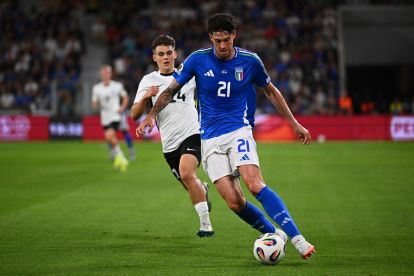
This reliance on real-time data means fans often observe how live probabilities shift the moment a manager makes a tactical substitution or a crucial player, such as Alessandro Bastoni, receives a yellow card. These fluctuating figures, combined with detailed minute-by-minute updates, empower fans to analyze the match through the refined perspective of a professional scout. It’s no longer a matter of subjective "gut feeling" but a process of data-driven confirmation of tactical discipline, or its absence, throughout the entire 90 minutes.
The Home Advantage Myth Re-evaluated
Choosing Bergamo as the venue for this semi-final is a strategically calculated move. While official league data still indicates a marginal statistical advantage for home teams, the traditional "fortress" effect has undeniably diminished. Nowadays, the so-called "hostile atmosphere" at away games holds less intimidation than it once did. The actual, albeit less glamorous, edge comes from practical benefits: sleeping in one's own bed, avoiding extensive travel, and practicing on familiar grounds.
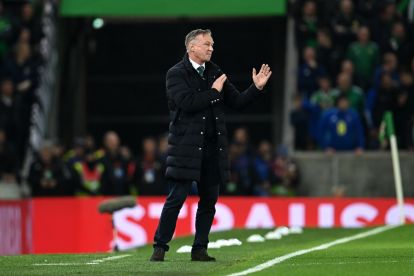
Nevertheless, a home crowd can become a double-edged sword. If Northern Ireland succeeds in frustrating the Azzurri early, the initial cheers can quickly morph into palpable tension and anxiety. This is precisely why the squad trains to be "stadium-agnostic." Be it Lombardy, Cardiff, or Zenica—the core tactical plan remains steadfast and unchanging.
Turning Points and The "Second Phase"
Qualification campaigns are seldom decided by 90 minutes of flowing, beautiful football; they are often won or lost in the "second phase"—those chaotic yet critical seconds immediately following a set-piece or a lost ball. UEFA's most recent technical observations make one thing abundantly clear: early 2026 qualification success was not about individual flair, but about mastering transitional play. For Italy, Federico Chiesa's return to fitness provides that crucial "X-factor" in attack. However, his spark is rendered ineffective if the underlying defensive bedrock is not absolutely solid.
A quick review of FIFA standings plainly reveals the pattern. The most successful squads currently are those that steadfastly refuse to lose their defensive shape, even when aggressively pursuing a result. This reflects a surgical, almost cold-blooded approach to the modern game, one that prioritizes a gritty 1-0 victory over the unpredictable chaos of a 3-2 shootout.
Fresh materials — Sport news
Serie A and B Break Goalless Draw Trend After 40 Matches
Italian football is defying its reputation for defensive play. For the first time ever, the first four rounds of Serie A and Serie B have seen no 0-0 draws. Changes implemented over the summer aimed to make Calcio more exciting and increase the game's tempo, aligning it with European stan
Thuram Reflects on Inter's Resilience and Praises Bonny's Impact
Marcus Thuram stated that Inter's comeback victories demonstrate their capacity as a team to "know how to react." He specifically mentioned the importance of players like Ange-Yoan Bonny coming off the bench, following their 5-3 win against Udinese. The match saw a resemblance to Inter's pa
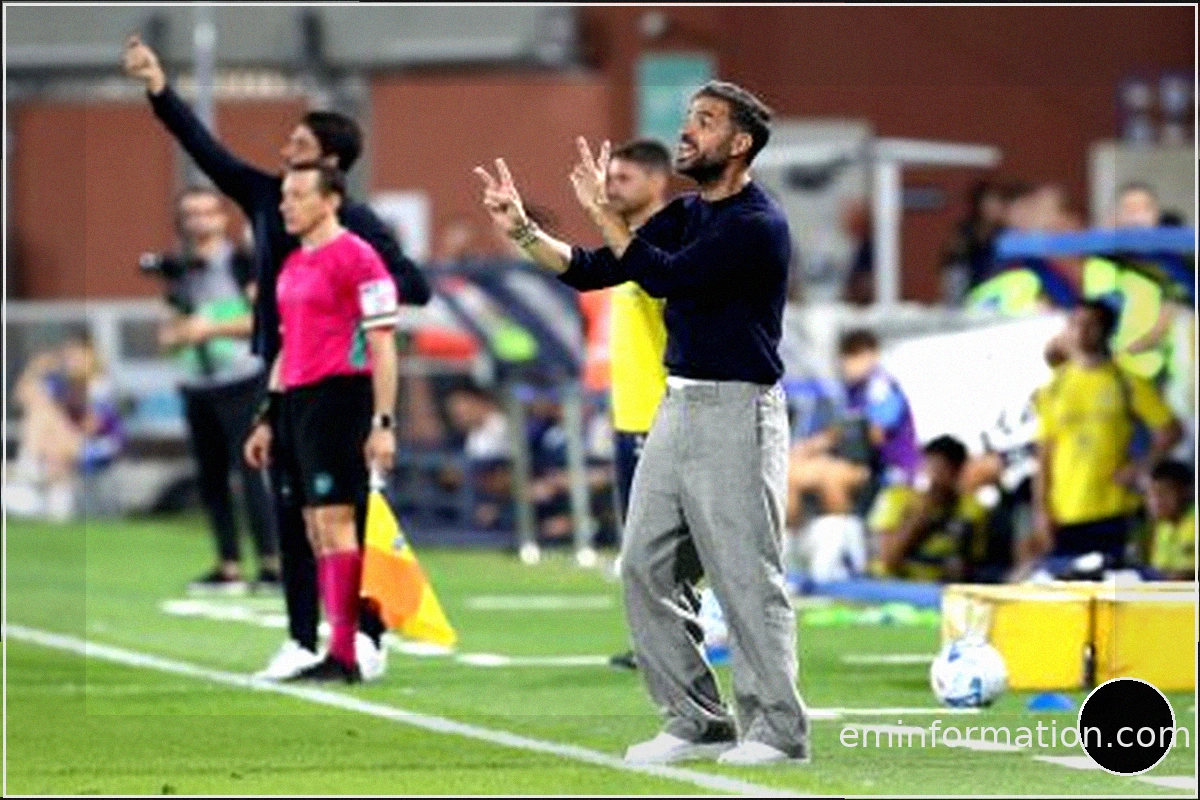
Fabregas: Como is Learning, Seeing Our Potential
Cesc Fabregas views Como's win over Parma as a crucial response after their Champions League match. He stated, "I’m beginning to grasp what we can develop into." Como played their initial home game of the Serie A season that evening. The Stadio Sinigaglia required renovations to meet UEFA s
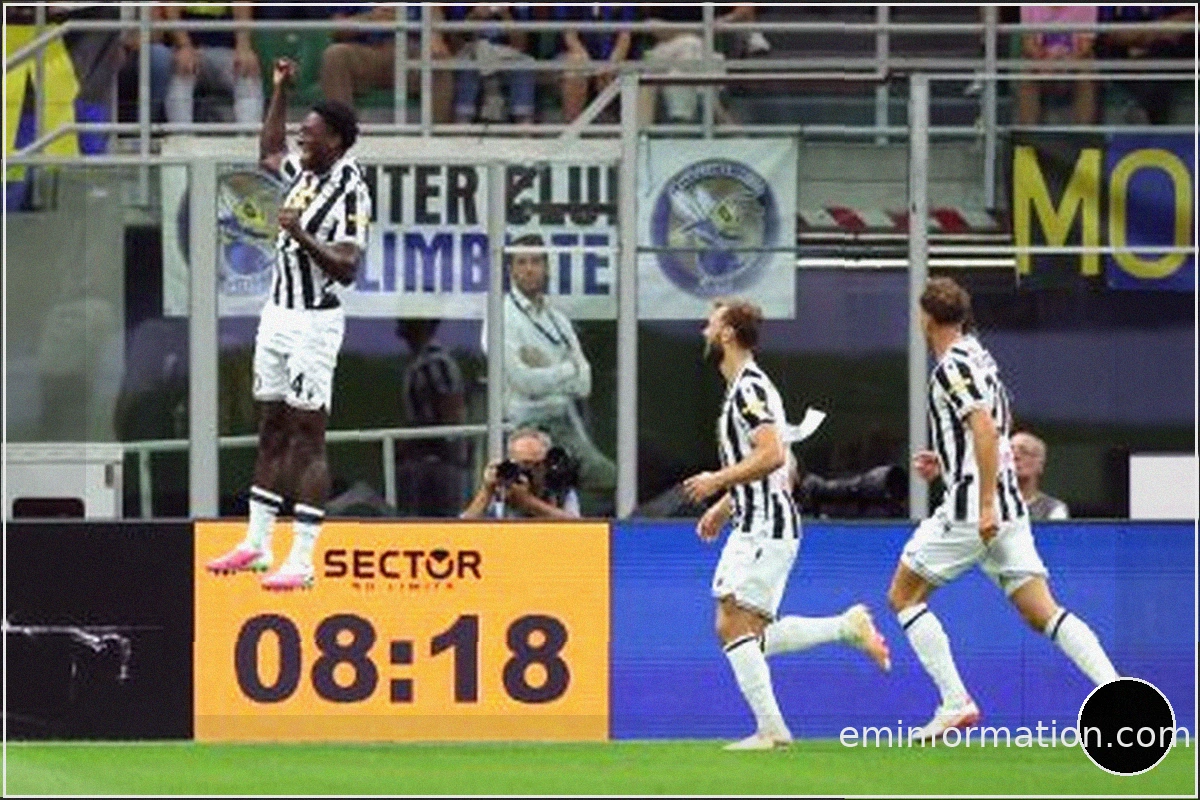
Inter Stages Dramatic 5-3 Comeback Win Against Udinese in Serie A Thriller
Inter Milan achieved a stunning comeback for the second Serie A match running, defeating Udinese 5-3 in a chaotic San Siro encounter. This followed their previous 3-2 win against Napoli after being down 2-0. Udinese took an unexpected early lead. James Abankwah headed in a cross from Unai G

Napoli's Lobotka on unusual goal: 'I don't know what I was doing up front'
Stanislav Lobotka, Napoli's midfielder, admitted he was far from his usual position when he scored the decisive goal in their win against Bologna. He joked that ending up in the penalty box is not a common occurrence for him. The Slovakia international spoke to Sky Sport Italia after his
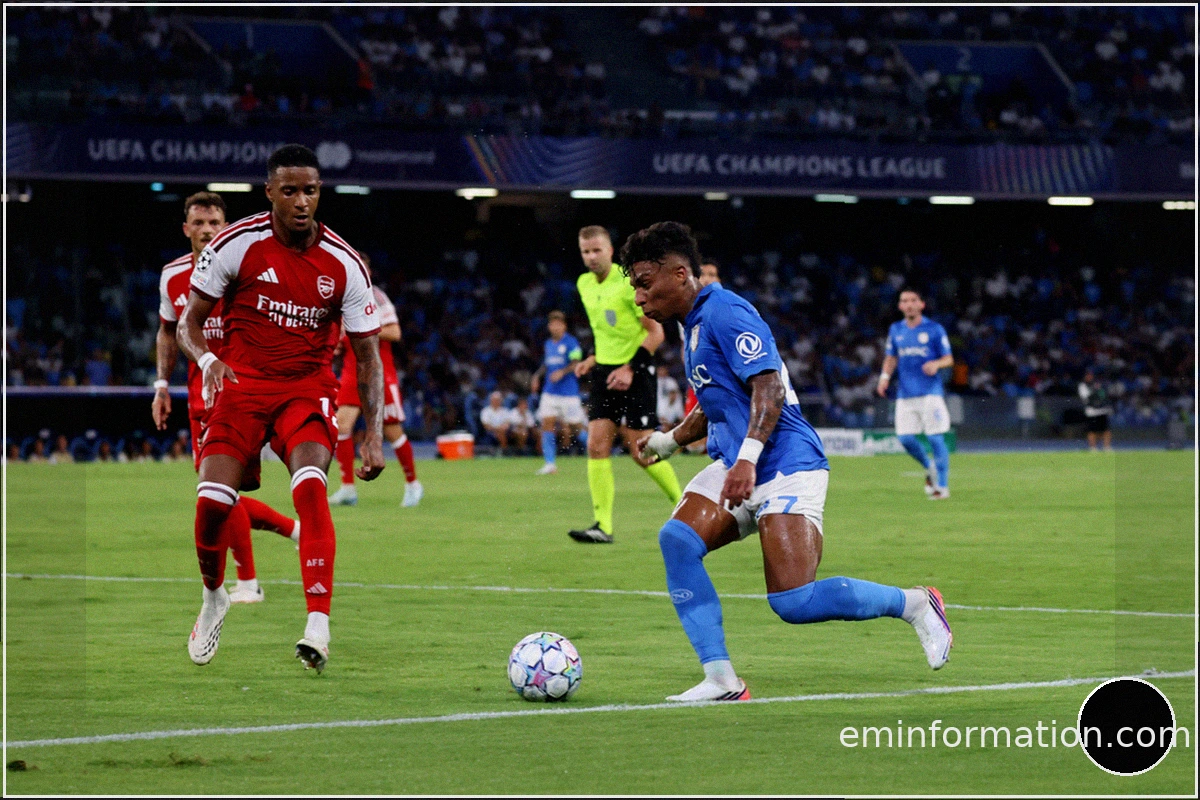
Napoli confirms Meret and Alisson injury details after Arsenal defeat
Napoli has provided clarity on the injuries sustained by goalkeeper Alex Meret and attacker Alisson Santos during their recent 1-0 loss to Arsenal in the Champions League. The club also announced that Andre-Frank Zambo Anguissa has rejoined team training and is available for selection this week